


Did you know the photos and videos sitting on your phone have a carbon footprint? Every blurry photo, accidental video, and old screenshot is stored in data centres that use huge amounts of energy and resources.
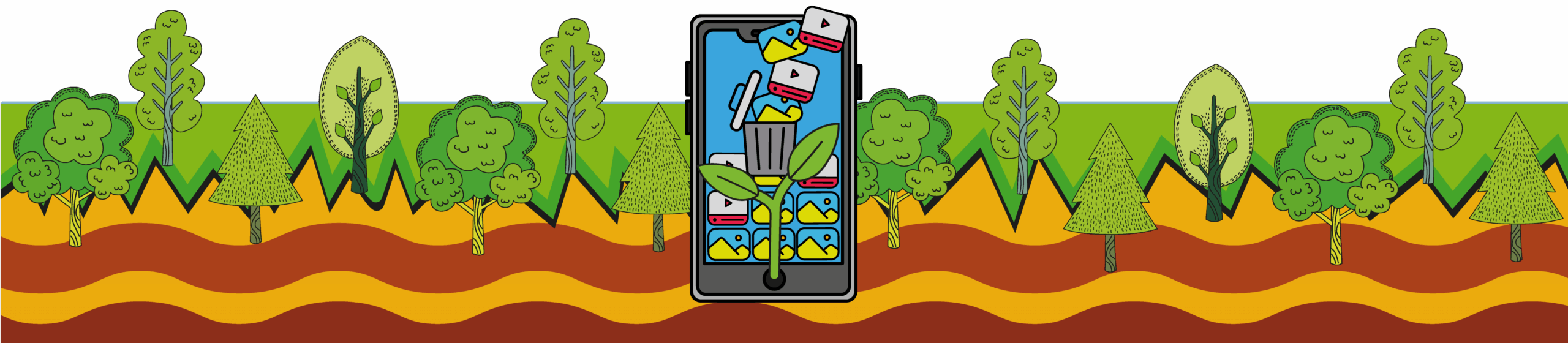
By deleting those duds, you’re reducing the demand on storage and cutting back on that hidden carbon footprint. Do it enough times, and the savings can be compared to planting a tree in our imaginary forest.
So, go on — delete your duds and grow our forest!
How it works:
1. Find the duds on your phone (blurry photos, random videos, old screenshots).
2. Tell us how many you’ve deleted using the form below.
3. Watch your effort grow into trees in our imaginary forest!
Here’s the Challenge:
Save 5 years’ worth of carbon to plant 1 tree
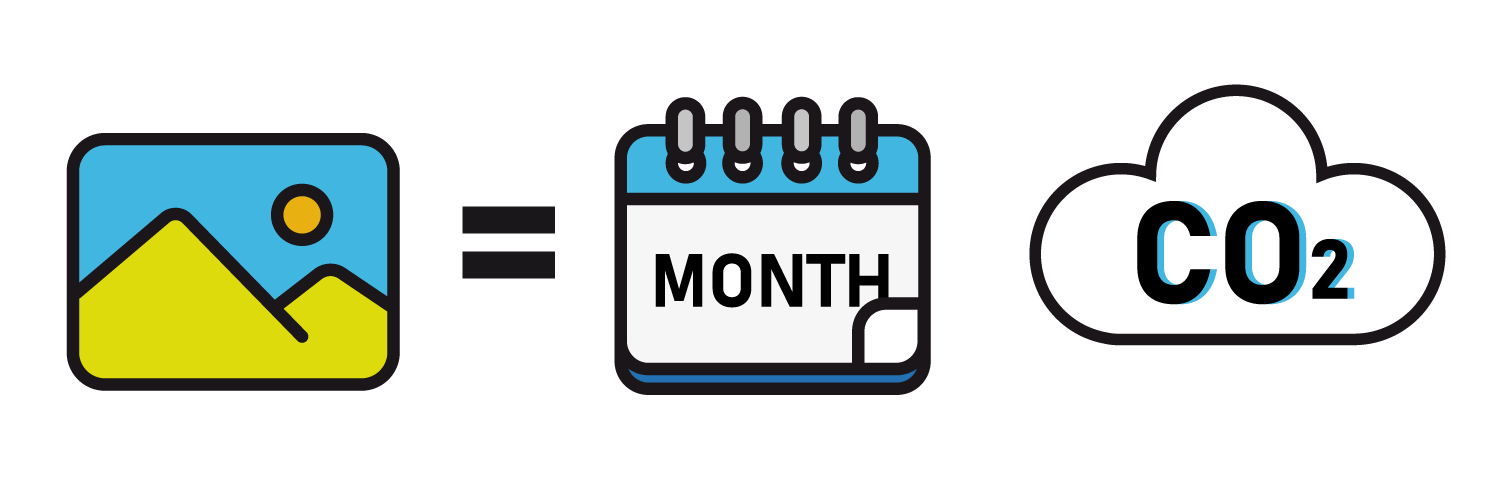
1 photo = 1 month of carbon saved
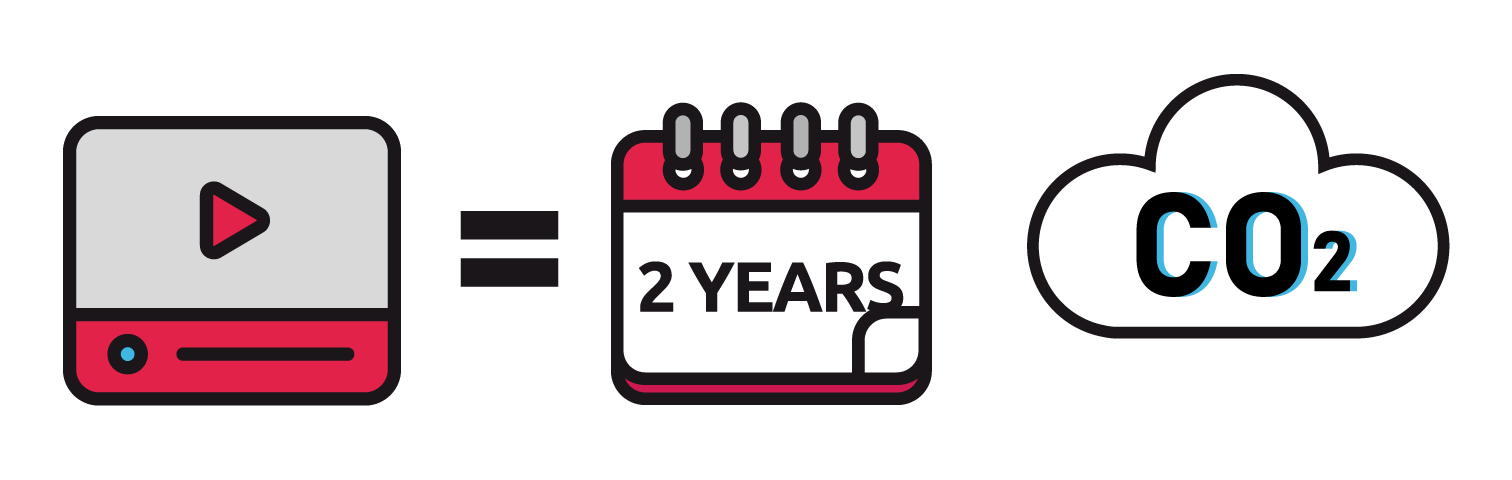
1 video = 2 years of carbon saved
This activity is designed to show the carbon impact of storing digital memories, and to highlight that understanding your carbon footprint can help you make more informed choices about reducing it.
The numbers aren’t exact, but they’re based on real data. If you’d like to dive into the details, you can explore our full methodology and dataset here

Delete the Dud shows you the hidden footprint of digital clutter. STATWARS takes you and your pupils deeper. Calculating your individual carbon footprint and empowering pupils with data to make a difference.
You can take this further by signing up to STATWARS: Climate Change Challenge, a FREE cross-curricular project where pupils calculate their carbon footprint, make pledges, and present their data in creative ways.
The Data:
“Delete the Dud” is an educational activity designed to show that storing photos and videos has an environmental impact. Our photo-to-tree calculation is not an exact measurement as we do not know how long the photos and videos have been stored, but it is based on real data to give a sense of scale.
Learning more about your carbon footprint is the best way to make informed decisions about reducing it. If you’d like to dive deeper, you can explore our full methodology and dataset here.